

How Long Do Tyres Last? Signs It’s Time for Replacement
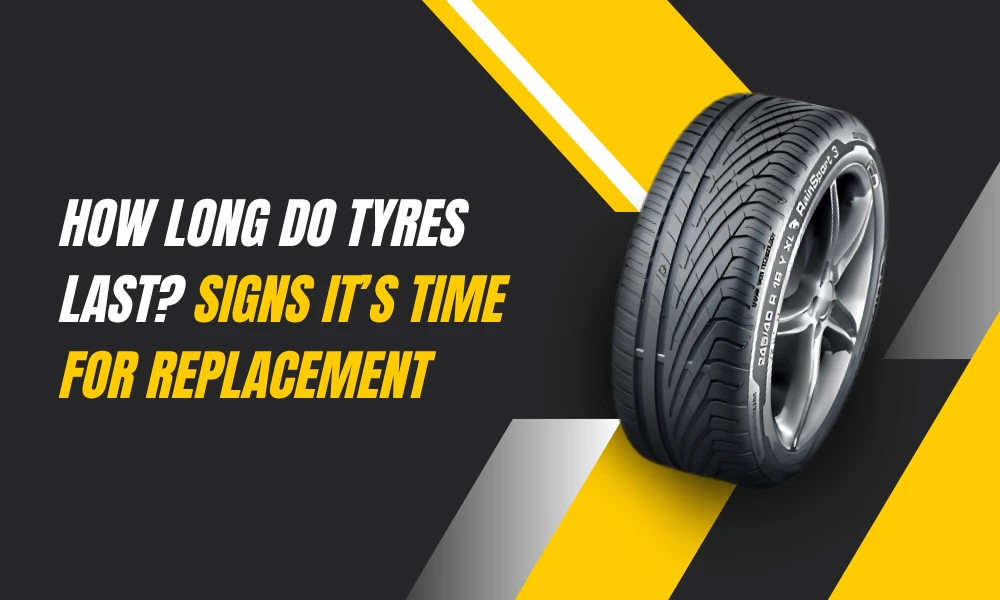
Your tyres don’t last forever — even if you don’t drive much.
Over time, the rubber ages, tread wears down, and performance drops. Knowing how long tyres last and spotting the signs of wear early can keep you safe, save fuel, and prevent MOT failures.
Here’s how to check your tyre lifespan and when it’s time to replace them.
Average Tyre Lifespan in the UK
On average, tyres last:
- 20,000 to 30,000 miles for front tyres
- 30,000 to 40,000 miles for rear tyres
In years, that’s roughly 5 to 6 years of regular driving.
However, your mileage, road conditions, and maintenance habits make a big difference.
Factors That Affect Tyre Lifespan
1. Driving Style
Fast cornering, harsh braking, and acceleration wear tyres faster.
2. Road Conditions
Rough or uneven roads, potholes, and speed bumps shorten tyre life.
3. Tyre Pressure
Over- or under-inflated tyres wear unevenly.
Check pressure monthly — ideally when tyres are cold.
4. Alignment & Suspension
If your wheels are misaligned, one side of the tyre may wear faster.
Regular balancing and alignment can extend lifespan.
5. Storage & Age
Even unused tyres degrade over time due to sunlight, temperature, and humidity.
When to Replace Your Tyres
1. Tread Depth Below 1.6 mm (Legal Limit)
The legal minimum tread depth in the UK is 1.6 mm across the central three-quarters of the tyre.
Below this, tyres are illegal and unsafe — risking fines of £2,500 and 3 points per tyre.
Use the 20p test or a tread depth gauge to check.
2. Cracks, Bulges, or Blisters
Ageing tyres can develop cracks in the sidewall or tread area. Bulges indicate internal damage and need immediate replacement.
3. Uneven Wear
Tyres worn more on one edge may suggest poor alignment or suspension. This not only affects tyre life but also fuel efficiency and handling.
4. Vibration or Noise
If you feel vibration or rumbling at certain speeds, it could mean:
- Tyre imbalance
- Flat spots
- Internal separation (dangerous — replace immediately)
5. Age Over Six Years
Even if tread depth looks fine, tyres over six years old may not be safe.
The British Tyre Manufacturers’ Association (BTMA) recommends replacing tyres every 6–10 years regardless of use.
You can check the manufacturing date on the tyre’s sidewall — look for the DOT code (last four digits show week and year of manufacture, e.g., 2319 = week 23 of 2019).
How to Make Tyres Last Longer
- Check pressure monthly (including the spare).
- Rotate tyres every 6,000–8,000 miles for even wear.
- Avoid kerb contact when parking.
- Drive smoothly — avoid harsh acceleration and braking.
- Inspect tyres regularly for cracks or punctures.
Final Word
Your tyres are vital to your car’s safety, handling, and efficiency.
Even with good tread, older tyres can lose grip and fail unexpectedly.
If yours are showing cracks, bulges, or nearing six years old — it’s time to replace them.
Find affordable replacement tyres near you with fitting included through Tyre Savings’ trusted UK network.
FAQs: Tyre Lifespan & Replacement
Q1: How long do tyres last before needing replacement?
Most tyres last 20,000–40,000 miles or around 5–6 years with normal driving.
Q2: Can tyres expire if not used?
Yes. Tyres age naturally and should be replaced every 6–10 years even if unused.
Q3: How do I know my tyres are too old?
Check the DOT code on the sidewall. If the tyre is over six years old, consider replacing it.
Q4: Will worn tyres fail an MOT?
Yes. Tyres with less than 1.6 mm tread depth or visible damage will fail the MOT.
Q5: What’s the best way to extend tyre life?
Keep them inflated correctly, rotate regularly, and avoid rough roads or kerbs.