

Continental vs Michelin Tyres: Which Is Better for UK Drivers in 2026?
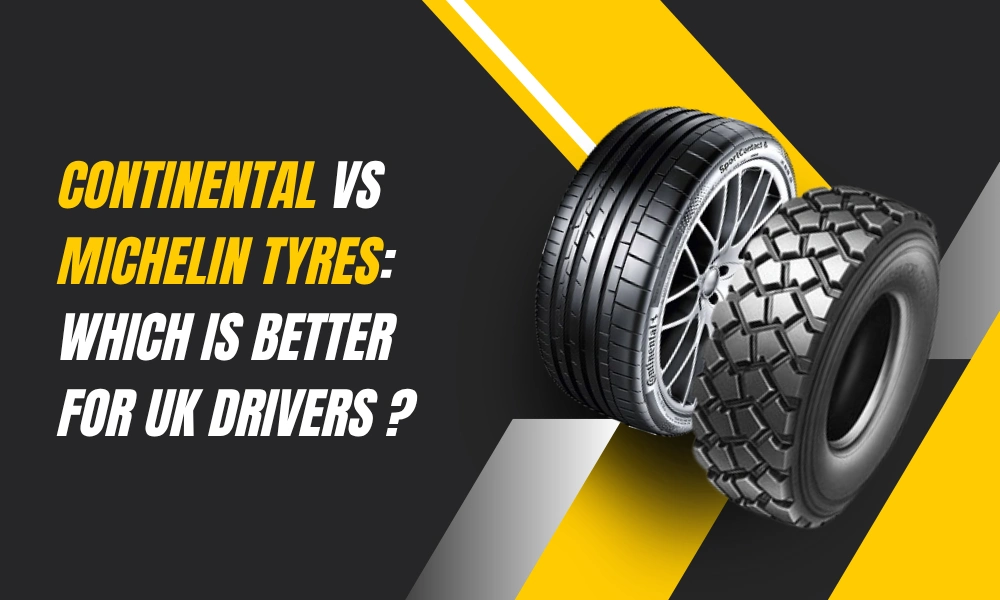
Choosing between Continental and Michelin can be challenging because both brands consistently rank among the best tyre manufacturers in the world. They produce tyres for everything from compact city cars to SUVs, electric vehicles, and high-performance models. If you're replacing your tyres in 2026, understanding how these brands compare in everyday UK driving conditions can help you make the right choice.
In this guide, we'll compare Continental and Michelin across performance, wet-weather grip, comfort, durability, fuel efficiency, pricing, and popular tyre ranges to help you decide which brand offers the best value for your needs.
Continental vs Michelin at a Glance
|
Feature |
Continental |
Michelin |
|
Wet Grip |
Excellent |
Excellent |
|
Dry Handling |
Excellent |
Excellent |
|
Comfort |
Very Good |
Excellent |
|
Road Noise |
Low |
Very Low |
|
Tread Life |
Very Good |
Excellent |
|
Fuel Efficiency |
Very Good |
Excellent |
|
Premium Pricing |
Premium |
Premium |
|
Best For |
Handling and wet performance |
Longevity and comfort |
Both manufacturers produce premium tyres that regularly perform well in independent tyre tests, making either brand a reliable choice for UK motorists.
Continental Tyres Overview
Founded in Germany, Continental has built a strong reputation for producing tyres with outstanding wet-weather performance and responsive handling.
Continental tyres are commonly fitted as original equipment by manufacturers including:
- BMW
- Mercedes-Benz
- Volkswagen
- Audi
- Porsche
Popular Continental tyre ranges include:
- PremiumContact
- EcoContact
- UltraContact
- SportContact
- AllSeasonContact
- WinterContact
These tyres are designed to provide confident handling, strong braking performance, and excellent grip in changing road conditions.
Michelin Tyres Overview
Michelin is one of the world's most recognised tyre manufacturers and is known for producing tyres that combine safety, comfort, and exceptional tread life.
Michelin tyres are fitted by manufacturers such as:
- Tesla
- BMW
- Mercedes-Benz
- Peugeot
- Renault
- Volvo
Popular Michelin ranges include:
- Primacy
- Pilot Sport
- CrossClimate
- e.Primacy
- Pilot Alpin
Many drivers choose Michelin because its tyres often deliver impressive mileage without sacrificing performance.
Wet Weather Performance
Wet-weather grip is one of the most important considerations for UK drivers.
Continental
Continental tyres are widely recognised for their excellent braking performance on wet roads. Their advanced tread designs help evacuate water efficiently, reducing the risk of aquaplaning while maintaining confident steering response.
Michelin
Michelin also performs exceptionally well in wet conditions, particularly with tyres such as the Primacy and CrossClimate ranges. These tyres provide predictable handling and consistent grip throughout their lifespan.
Verdict
Both brands perform extremely well, but drivers who regularly face heavy rain may appreciate Continental's reputation for sharp wet-road handling.
Winner: Continental (slight advantage)
Dry Road Handling
On dry roads, both manufacturers deliver high levels of performance.
Continental tyres typically provide:
- Responsive steering
- Strong cornering grip
- Sportier handling
Michelin focuses on:
- Stable high-speed performance
- Smooth driving experience
- Predictable handling
Drivers looking for a more dynamic driving feel may prefer Continental, while those prioritising comfort may lean towards Michelin.
Winner: Draw
Comfort and Road Noise
Comfort becomes increasingly important for drivers who spend long hours on the motorway.
Michelin tyres are often praised for:
- Quiet road noise
- Smooth ride quality
- Excellent motorway comfort
Continental tyres also perform well but generally provide a slightly firmer driving experience.
For everyday commuting and long-distance travel, Michelin often has the advantage.
Winner: Michelin
Tread Life and Durability
One area where Michelin has built an outstanding reputation is tyre longevity.
Many Michelin tyres are designed to:
- Wear evenly
- Maintain performance as they age
- Deliver higher mileage before replacement
Continental tyres also offer good durability but may wear slightly faster depending on driving style and road conditions.
Drivers covering high annual mileage often recover the higher purchase price through longer tyre life.
Winner: Michelin
Fuel Efficiency
Rolling resistance affects fuel consumption and, for electric vehicles, driving range.
Michelin's e.Primacy and Primacy ranges are specifically engineered to reduce rolling resistance while maintaining grip.
Continental's EcoContact range also focuses on efficiency and performs well in this area.
Both brands offer fuel-efficient options, but Michelin generally has a slight advantage for drivers prioritising economy.
Winner: Michelin
Performance for Electric Vehicles
Electric vehicles place additional demands on tyres because of their instant torque and increased weight.
Michelin
Michelin offers EV-focused tyres that help maximise battery range while reducing road noise.
Continental
Continental also manufactures tyres designed for electric vehicles, balancing durability, efficiency, and handling.
Both brands are excellent choices for EV owners, although Michelin's efficiency-focused technology gives it a small edge.
Winner: Michelin
Price Comparison
As premium manufacturers, both brands command higher prices than budget or mid-range alternatives.
Generally:
- Continental tyres are often slightly less expensive.
- Michelin tyres usually cost more but can offer longer tread life.
The exact price depends on tyre size and model.
For example, popular sizes such as 205/55 R16, 225/45 R17, and 225/40 R18 are available from both manufacturers, allowing drivers to compare prices directly before purchasing.
Which Brand Is Better for Different Drivers?
Choose Continental if you:
- Drive frequently in wet conditions
- Enjoy responsive handling
- Prefer sporty steering feel
- Want excellent braking performance
Choose Michelin if you:
- Drive high annual mileage
- Prioritise comfort
- Want quieter tyres
- Value longer tread life
- Drive an electric vehicle
How to Compare Continental and Michelin Tyres Online
When comparing premium tyres, don't focus solely on price.
Instead, consider:
- Wet grip rating
- Fuel efficiency
- Road noise
- Expected mileage
- Warranty
- Customer reviews
- Driving style
Retailers such as TyreSavings make it easy to compare Continental and Michelin tyres by vehicle registration or tyre size. You can view compatible options, compare prices across different tyre models, and arrange fitting at trusted garages throughout the UK, making it easier to choose the right premium tyre for your vehicle.
Final Verdict
Both Continental and Michelin produce some of the best premium tyres available for UK drivers in 2026. If your priority is outstanding wet-weather performance and responsive handling, Continental is an excellent choice. If you're looking for maximum comfort, longer tread life, and improved fuel efficiency, Michelin is difficult to beat.
Ultimately, the best tyre depends on your vehicle, driving habits, and budget. By comparing tyre specifications, performance ratings, and prices before buying, you can confidently choose the option that best suits your needs. Platforms like TyreSavings simplify this process by allowing you to compare both brands side by side and book professional local fitting across the UK.
Frequently Asked Questions
1. Which is better, Continental or Michelin?
Both are premium tyre brands. Continental is known for exceptional wet-weather handling, while Michelin is widely recognised for comfort, durability, and long tread life.
2. Are Michelin tyres worth the higher price?
For many drivers, yes. Michelin tyres often last longer, which can offset the higher initial purchase cost over time.
3. Do Continental tyres perform well in the rain?
Yes. Continental consistently scores highly in independent tests for wet braking, handling, and aquaplaning resistance, making it a strong choice for UK weather.
4. Which brand is better for motorway driving?
Michelin is often preferred for motorway driving thanks to its quieter ride, excellent comfort, and long-lasting tread.
5. Are Continental and Michelin suitable for electric vehicles?
Yes. Both manufacturers produce tyres designed for electric vehicles, with models that focus on low rolling resistance, durability, and reduced road noise.
6. Which brand offers better value for money?
Continental may have a slightly lower purchase price, while Michelin often delivers better long-term value through extended tyre life and improved fuel efficiency.
7. Where can I compare Continental and Michelin tyres?
You can compare compatible Continental and Michelin tyres by vehicle registration or tyre size on TyreSavings, making it easy to review prices, specifications, and book fitting at a convenient UK garage.