

What Is Aquaplaning? How UK Drivers Can Prevent It
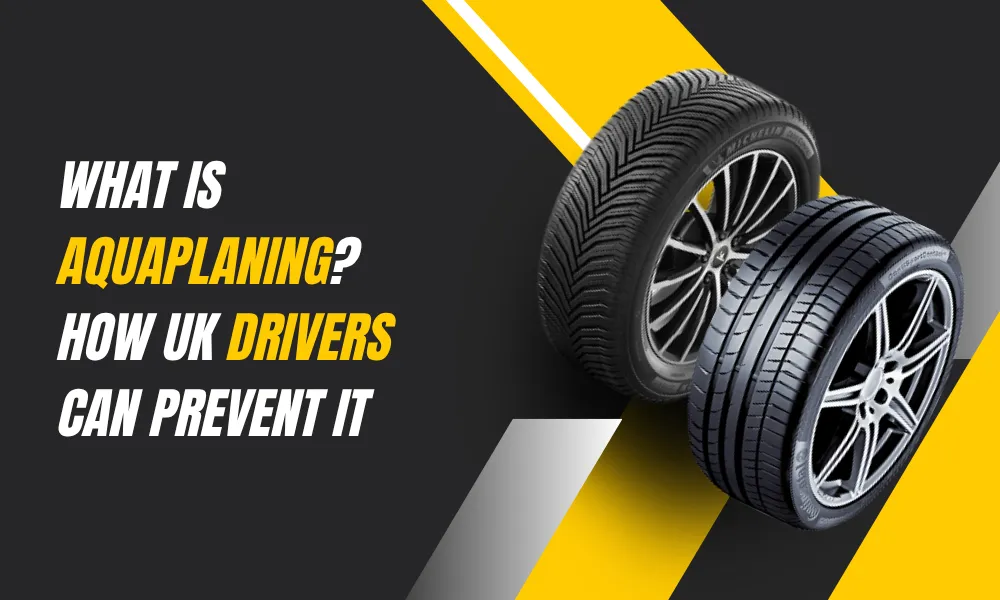
Driving in the UK often means dealing with wet roads, sudden downpours, and standing water — especially in Western and Northern regions where rainfall is common throughout the year. While most drivers know rain can make roads slippery, many underestimate how dangerous Aquaplaning can be.
Aquaplaning happens faster than most people expect, and in severe cases, it can leave your car temporarily impossible to steer or brake. The good news is that the right tyres, correct maintenance, and safer driving habits can dramatically reduce the risk.
In this guide, we’ll explain what aquaplaning is, what causes it, warning signs to watch for, and how UK drivers can avoid aquaplaning in heavy rain.
What Is Aquaplaning?
Aquaplaning (also called hydroplaning) occurs when a layer of water builds up between your tyres and the road surface. Instead of gripping the road, the tyres ride on top of the water.
When this happens:
- Steering becomes less responsive
- Braking distance increases
- The vehicle may skid or slide
- You temporarily lose control of the car
Your tyres are designed with grooves that channel water away from the contact patch. But if there’s too much water, worn tread, or excessive speed, the tyres cannot disperse water quickly enough.
This is why tyre quality plays a major role in wet-weather safety.
Why Aquaplaning Is Common in the UK
The UK’s climate creates ideal conditions for aquaplaning:
- Frequent rainfall throughout the year
- Motorways with standing water
- Rural roads with poor drainage
- Heavy spray during motorway driving
- Sudden weather changes in autumn and winter
Even light rain can become dangerous when mixed with oil residue on roads. During heavy downpours, the risk increases dramatically — particularly at motorway speeds.
Warning Signs of Aquaplaning
Aquaplaning often happens suddenly, but there are a few warning signs drivers may notice.
Steering Feels Light
One of the most common signs is the steering wheel suddenly feeling loose or lighter than normal.
Engine Revs Increase Unexpectedly
If your driven wheels lose grip, the engine may rev higher without the car accelerating properly.
Fishtailing or Sliding
The rear of the vehicle may begin to drift sideways, especially around bends or lane changes.
Reduced Braking Response
The car may feel like it’s “floating,” with delayed braking performance.
If you experience any of these symptoms, remain calm and avoid sudden movements.
What Causes Aquaplaning?
Many drivers assume speed alone causes aquaplaning, but tyres are actually one of the biggest factors.
1. Worn Tyre Tread
Tyre tread is designed to push water away from the tyre surface. As tread depth decreases, the tyre becomes less effective at clearing water.
In the UK, the legal minimum tread depth is 1.6mm. However, many tyre experts — including brands like Pirelli — recommend replacing tyres before they reach this limit.
Once tread drops below around 3mm, wet-weather grip and aquaplaning resistance reduce significantly.
This means a tyre may still be legal but no longer offer strong wet-road safety performance.
2. Incorrect Tyre Pressure
Under-inflated tyres cannot maintain the correct contact patch with the road.
This makes it harder for the tyre grooves to channel water away effectively, increasing the likelihood of aquaplaning.
Over-inflation can also reduce grip by decreasing the tyre’s contact area.
Checking tyre pressure monthly is one of the easiest ways to avoid aquaplaning.
3. Cheap Tyres With Poor Groove Design
Not all tyres perform equally in wet conditions.
Premium tyres are engineered with advanced tread patterns and water evacuation channels specifically designed to improve grip on wet roads.
Tyres from brands like Michelin, Goodyear, and Pirelli are developed using extensive wet-weather testing.
Models such as the Michelin CrossClimate are particularly well known for strong wet-road performance and effective water dispersal.
In contrast, some unknown budget tyres may struggle to clear water efficiently, increasing aquaplaning risk.
4. Driving Too Fast in Wet Conditions
Higher speeds reduce the amount of time tyres have to disperse water.
Even high-quality tyres can begin to aquaplane if speed is excessive in heavy rain or standing water.
Motorways are especially risky because water often collects in wheel tracks.
Reducing speed during rainfall is one of the simplest ways to avoid aquaplaning.
What Should You Do If Aquaplaning Happens?
If your car starts aquaplaning, your reaction is extremely important.
Stay Calm and Follow These Steps
Ease Off the Accelerator
Gradually lift your foot off the accelerator to reduce speed naturally.
Keep the Steering Wheel Straight
Avoid sharp steering movements, as sudden corrections can cause skidding once grip returns.
Do Not Slam the Brakes
Heavy braking can worsen the skid.
If your car has ABS, apply gentle, steady pressure if braking is necessary.
Wait for Grip to Return
As the tyres reconnect with the road surface, steering and braking control will gradually return.
The key is staying smooth and controlled.
The Legal and Insurance Dimension
How to Avoid Aquaplaning
Preventing aquaplaning mainly comes down to tyres, maintenance, and driving style.
Maintain Healthy Tread Depth
Even though 1.6mm is the legal minimum, replacing tyres closer to 3mm can significantly improve wet-weather safety.
Regularly inspect your tyres for uneven wear or damage.
Choose Tyres Designed for Wet Grip
Premium tyres often include:
- Wider water evacuation grooves
- Silica-rich compounds for wet grip
- Improved tread block designs
Tyres designed for UK weather conditions can make a noticeable difference during heavy rain.
If you’re unsure whether your current tyres offer adequate wet-weather protection, TyreSavings lets you search by your registration number to find affordable replacements from premium brands.
Check Tyre Pressure Regularly
Use the manufacturer’s recommended PSI settings and check pressures at least once a month.
Don’t forget to inspect pressures before long motorway journeys.
Reduce Speed in Heavy Rain
Even modern tyres have limits.
Driving slower in wet conditions gives tyres more time to disperse water and maintain road contact.
Avoid Standing Water
If possible:
- Avoid flooded lanes
- Stay away from deep puddles
- Avoid sudden lane changes through standing water
Following existing tyre tracks on wet roads can also help reduce water buildup.
UK Legal Rules on Tyre Tread
Driving with illegal tyres in the UK can result in serious penalties.
If your tyres are below the legal 1.6mm tread depth limit, you could face:
- A fine of up to £2,500 per tyre
- 3 penalty points per tyre
- Potential insurance complications after an accident
In severe cases, drivers can even face disqualification.
Regular tyre checks are essential not just for safety, but also for legal compliance.
Why Premium Tyres Matter in Wet Weather
Many drivers focus only on tyre price, but wet-weather performance is one area where tyre quality genuinely matters.
Premium tyres are heavily tested for:
- Wet braking distance
- Water evacuation
- Cornering grip
- Aquaplaning resistance
While cheaper tyres may save money initially, they often perform worse in emergency wet-road situations.
Investing in quality tyres can significantly improve confidence and safety during UK rainstorms.
Final Thoughts
Aquaplaning is one of the most dangerous wet-weather driving risks in the UK, but it’s also highly preventable.
While slowing down in rain is important, tyre condition is equally critical. Tread depth, tyre pressure, and tyre quality all directly affect how well your car handles standing water.
If your tyres are worn or struggling in wet conditions, now is the right time to upgrade.
Enter your reg on TyreSavings to see which aquaplaning-resistant tyres fit your car — including premium brands available at budget-friendly prices.
Frequently Asked Questions
What is aquaplaning in simple terms?
Aquaplaning happens when water builds up between your tyres and the road, causing the tyres to lose contact with the surface and reducing steering and braking control.
At what speed does aquaplaning happen?
Aquaplaning can occur at speeds as low as 35mph in heavy rain, especially with worn tyres or standing water.
How can you avoid aquaplaning?
You can avoid aquaplaning by maintaining proper tyre tread depth, checking tyre pressure regularly, reducing speed in wet weather, and using high-quality tyres designed for wet grip.
Are worn tyres more likely to aquaplane?
Yes. Worn tyres cannot disperse water effectively, making aquaplaning much more likely during heavy rain.
Do premium tyres reduce aquaplaning risk?
Yes. Premium tyres from brands like Michelin, Goodyear, and Pirelli are engineered with advanced tread patterns that improve water evacuation and wet-road grip.